Rebase CMS.
The same definition, rendered for people.
A complete admin panel, generated from the collections your backend already uses. It is a layer on top — a client of the same API your own code calls, under the same policies. Add it when a human needs to touch the data, skip it when nobody does, and remove it without your API noticing.
Back offices teams run on Rebase every day

The tour
Not a table viewer. A place to work.
Everything below is generated from the same collection definitions your API is served from. Nobody drew these screens.












Day to day
What the people who are not developers actually get
Every view, no code. The same rows as a data grid, cards, a list or a Kanban board. Switch layout, filter live, edit in place.
Relations as navigation. Foreign keys and many-to-many joins become tabs. Attach existing rows or create related records without leaving the entity.
Media that belongs to a row. Uploads land in your storage bucket and resolve inline — thumbnails in the list, previews in the form.
History and revert. Who changed what, when. Compare two versions side by side and roll one back.
Users, roles and what they can reach. The same roles your RLS policies read, managed by people who will never open psql.
Import, export, bulk edit. CSV, JSON or Excel in with field mapping; one click out. Thousands of rows without a migration script.
File storage, in the panel — the same bucket your API writes to, not a second one.
The real Rebase rich text editor — try typing, it's fully interactive.
Write Markdown. Watch it render.
Prefer plain text? Markdown fields come with a split-pane live preview — headings, bold, lists and code render as you type, and the raw Markdown is what lands in your database.
- Side-by-side editor and live preview
- Select text to format with the floating toolbar
- Stored as plain Markdown — portable by default
Drag cards, update your database.
A collection with a string property that has an enum gets the Kanban view without asking for it. The enabledViews line in the sample above narrows the switcher rather than turning the board on. Dragging a card writes to Postgres, under the same policies as every other write.
- Auto-generated from any enum or status property
- Drag-and-drop with optimistic database updates
- Filterable, sortable, and fully responsive
Edit like a spreadsheet. Save like a database.
Click any cell and start typing; the change is written to Postgres through the same API your app uses. Sort, filter, bulk-select and export, in a grid that behaves the way a spreadsheet does.
- Click-to-edit cells with type-aware inputs
- Multi-row selection and bulk actions
- Column resizing, reordering, and visibility toggles
- CSV / JSON export with one click
One editor. Every content type.
A blog entry, a product description and an internal doc are the same block editor writing to three different columns.
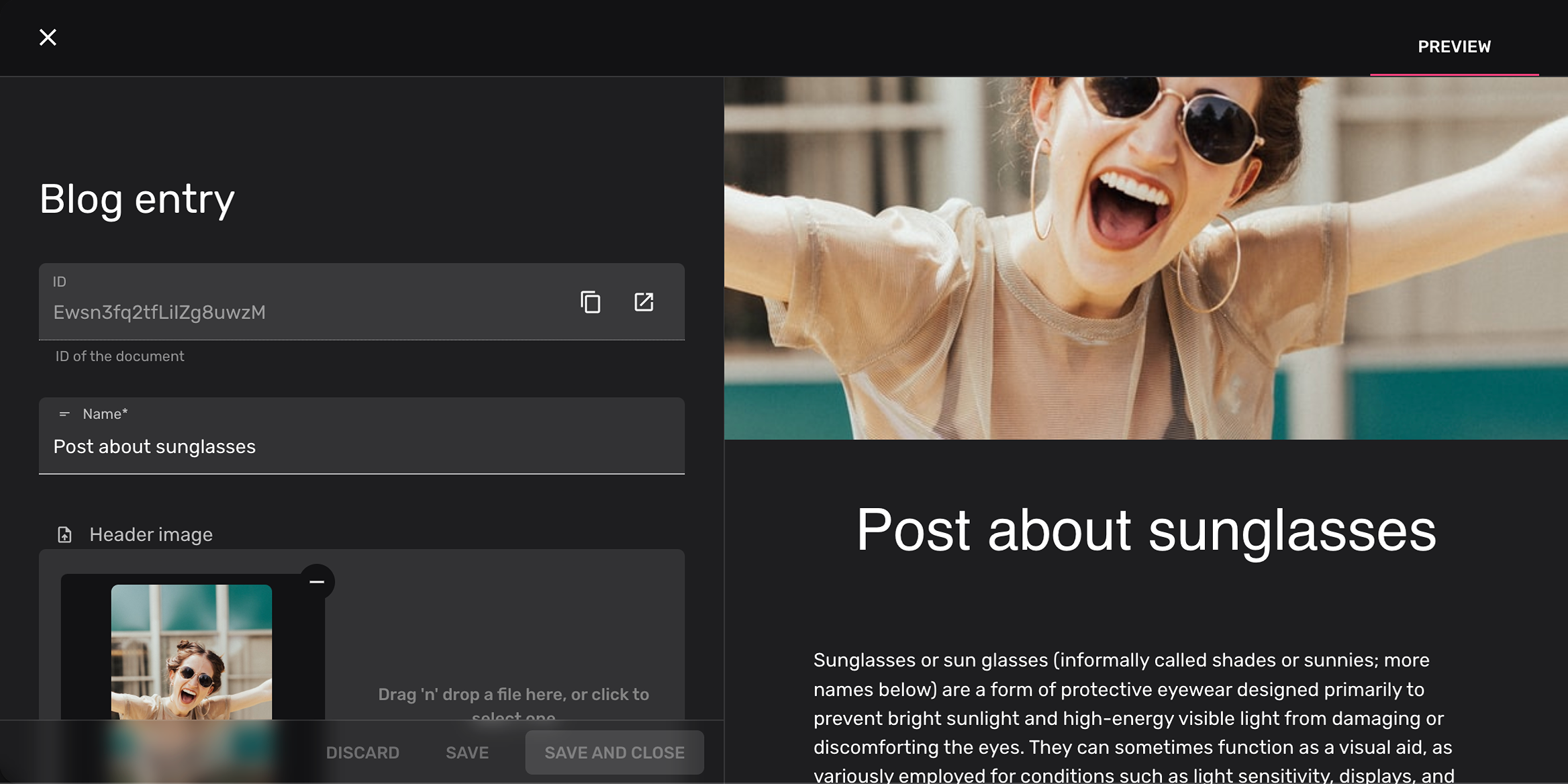
Content teams
Write blog posts with the rich text editor. Drag blocks, insert media, and preview — no developer needed.
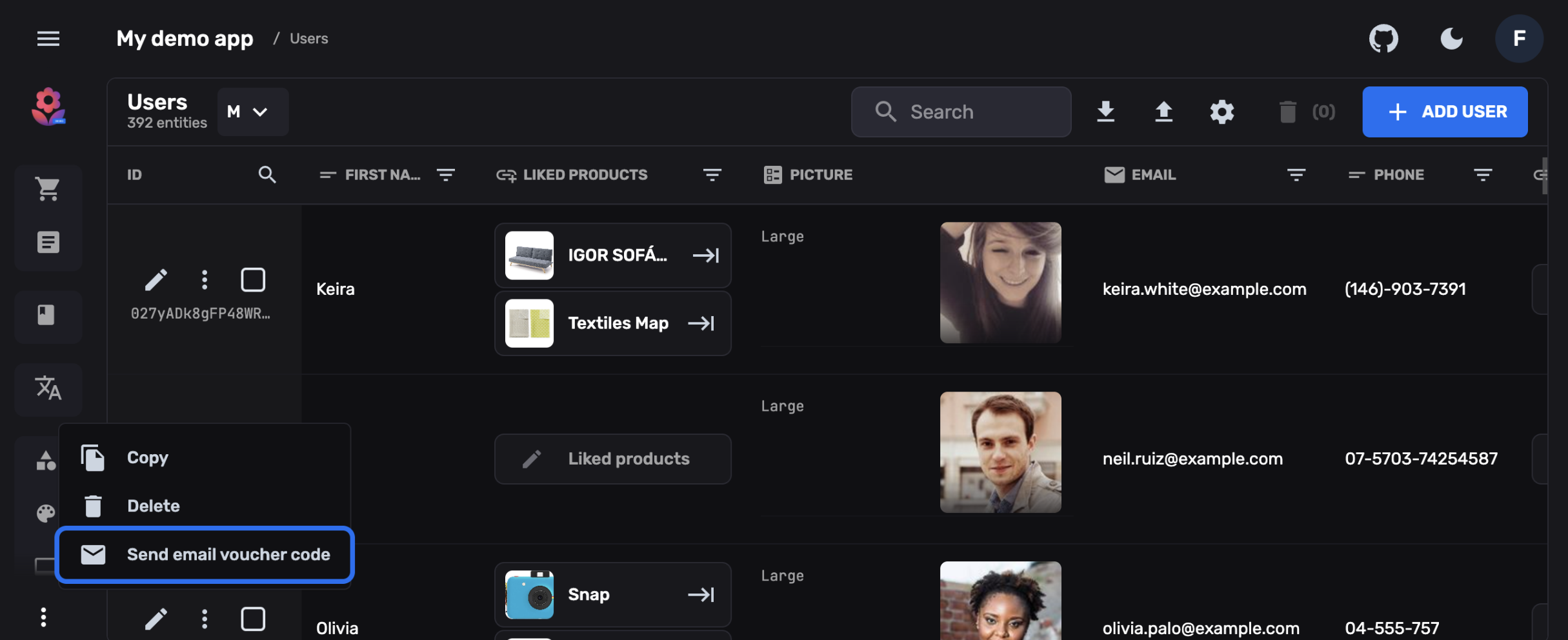
Operations
Manage data with spreadsheet views and Kanban boards. Bulk edit, filter, and export to CSV in seconds.

Developers
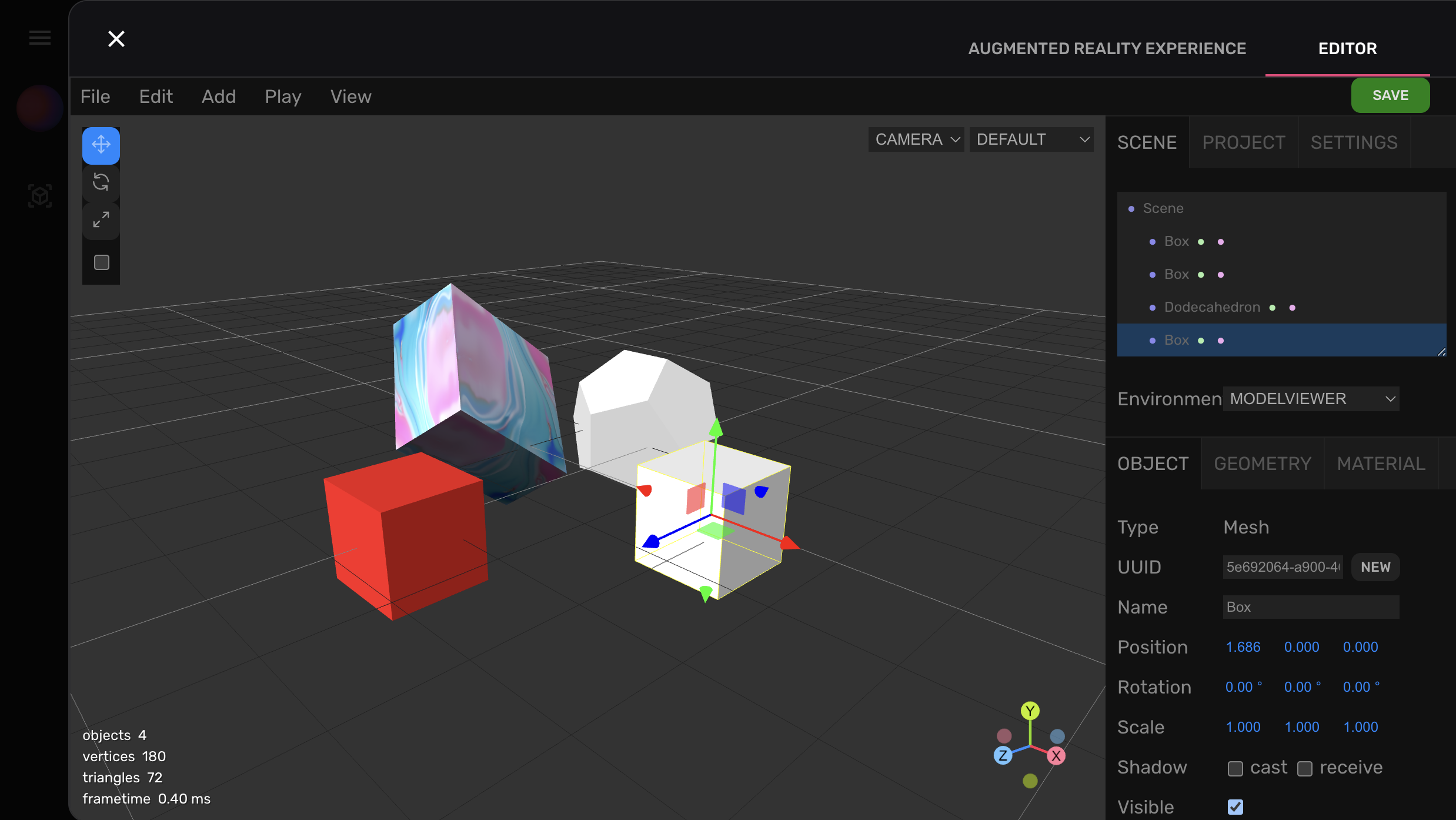
Build custom entity views, preview panels, and field widgets — all in standard React and TypeScript.
Yours to extend
It is a React app. Treat it like one.
Point a property at your own component and the generated form gets out of the way. Custom fields, custom previews, whole custom entity views, extra actions in the toolbar — written in the React you already write, referenced from the admin block by path.
status: {
  name: "Status",
  type: "string",
  enum: { paid: "Paid", refunded: "Refunded" },
  admin: {
    // your own React component, resolved at build time
    Field: "./components/StatusPicker",
    Preview: "./components/StatusChip",
  },
},Your component renders in the form and in the list, with the entity, the collection and the SDK handed to it as props.
Twenty-odd field types ship with the panel. Everything beyond them is a component you write, not a feature request you file.
The cost of adding it
A layer, not a lock-in
Rebase split the CMS out of the backend contract, and the line is visible in your own project: the backend half of a collection, and the admin half the server never reads.
# one dependency more than a headless project
~ pnpm add @rebasepro/cms-types

// config/cms.d.ts — one line, once per project
/// <reference types="@rebasepro/cms-types" />
Without that reference, an admin key on a collection is a type error. Presentation cannot drift into a headless project by accident.
export const orders: PostgresCollectionConfig = {
  // … the backend half: table, properties, securityRules

  admin: {
    icon: "ShoppingCart",
    group: "E-Commerce",
    defaultViewMode: "table",
    enabledViews: ["table", "kanban"],
    listProperties: ["reference", "status", "total"],
    sort: ["created_at", "desc"],
  },
};
Everything the panel needs lives in one nested block. Your data model stays readable to anyone who never opens the UI.
Same APIs as your app
The panel reads and writes through the same REST, auth and realtime endpoints you build on, under the same row-level security. No privileged data path.
Same schema, one source
No second data model to maintain. Rename a column in your collection and both the API and the admin panel follow in the same commit.
Its own SPA, or its own repository
Mount it inside an existing React app, or give it a repo of its own — generate-sdk --from <url> types it against the running backend, so it ships on its own cadence. npm packages, not a framework you move into.
Where it fits
The backend, and the admin panel on top
the backend
Rebase Backend
REST, a typed SDK, auth, storage, realtime and RLS over your Postgres. Headless on its own. The panel renders on top of it.
admin panel · you are here
Rebase CMS
The admin panel for the humans on your team, driven by the admin block in your collections.
admin panel
Rebase Studio
SQL editor, schema visualizer, RLS policy editor, branches and API explorer. Studio is the developer workspace. It registers inside the same panel as CMS.
Add the panel when you need it.
Scaffold a project, define one collection, and the admin panel is already there — or leave it out and nothing about the API changes.