The client keeps the database. You keep the code.
You build the backend and the back office on a Postgres the client owns, under a licence nobody can revoke. When the engagement ends, they keep the database and you keep the code — and neither of you is renting the thing in between.
From the makers of FireCMS, the open-source CMS in 10,000+ projects.





The backend is the deliverable. The panel is the part they see.
Every client project needs the same layer: REST over their tables, a typed client, sessions, file uploads, permissions that hold. It is the least differentiated work on the invoice and the easiest to get subtly wrong.
Rebase generates it from the client's own schema, with the access rules compiled into Postgres row-level security rather than into middleware your successor has to remember. The panel comes off the same definition, so the operator team gets an admin panel without a second sprint for it.
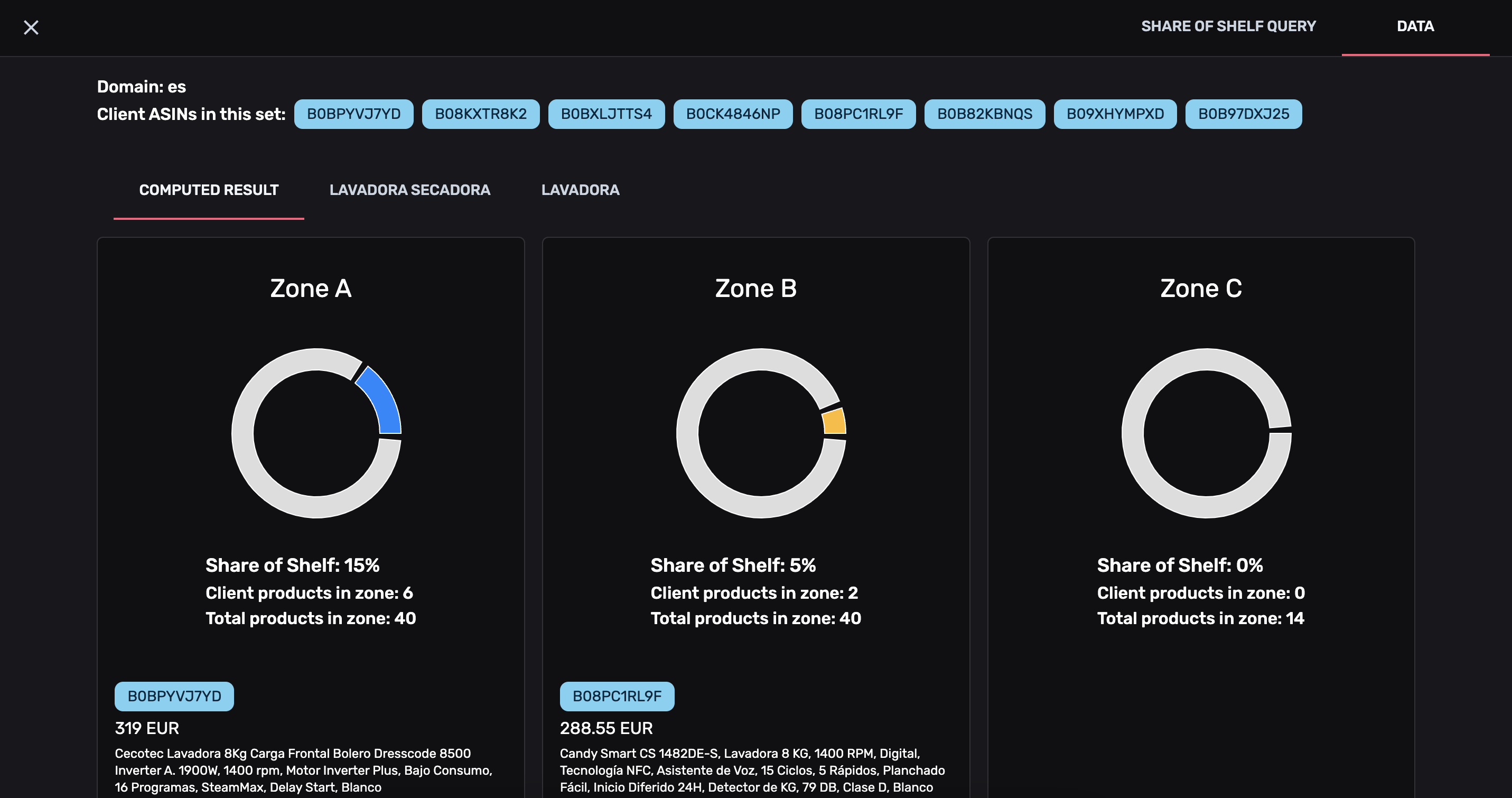

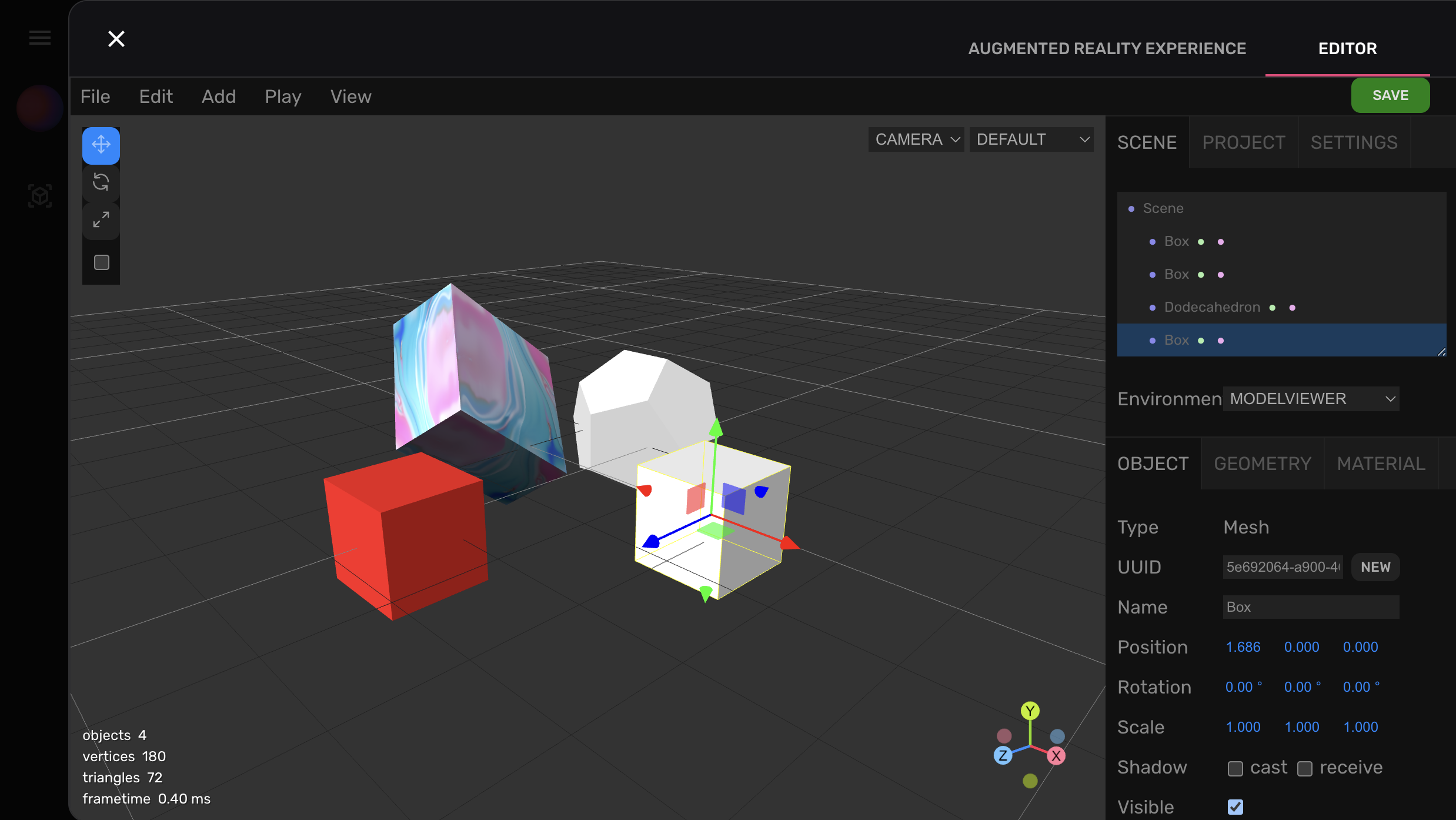
- Customize every aspect of the CMS UI
- Build custom fields and editors with React
What you stop writing per client
The CRUD layer
Controllers, serializers, validation and the OpenAPI document, generated from the collection definition and regenerated when it changes.
The permission checks
Written once beside the collection, compiled into Postgres policies. A table with no rule is refused rather than served, so a forgotten endpoint cannot leak it.
The back office
Tables, forms, media, relations and roles render from the same definition, and your own React components go in wherever the generated field is not enough.
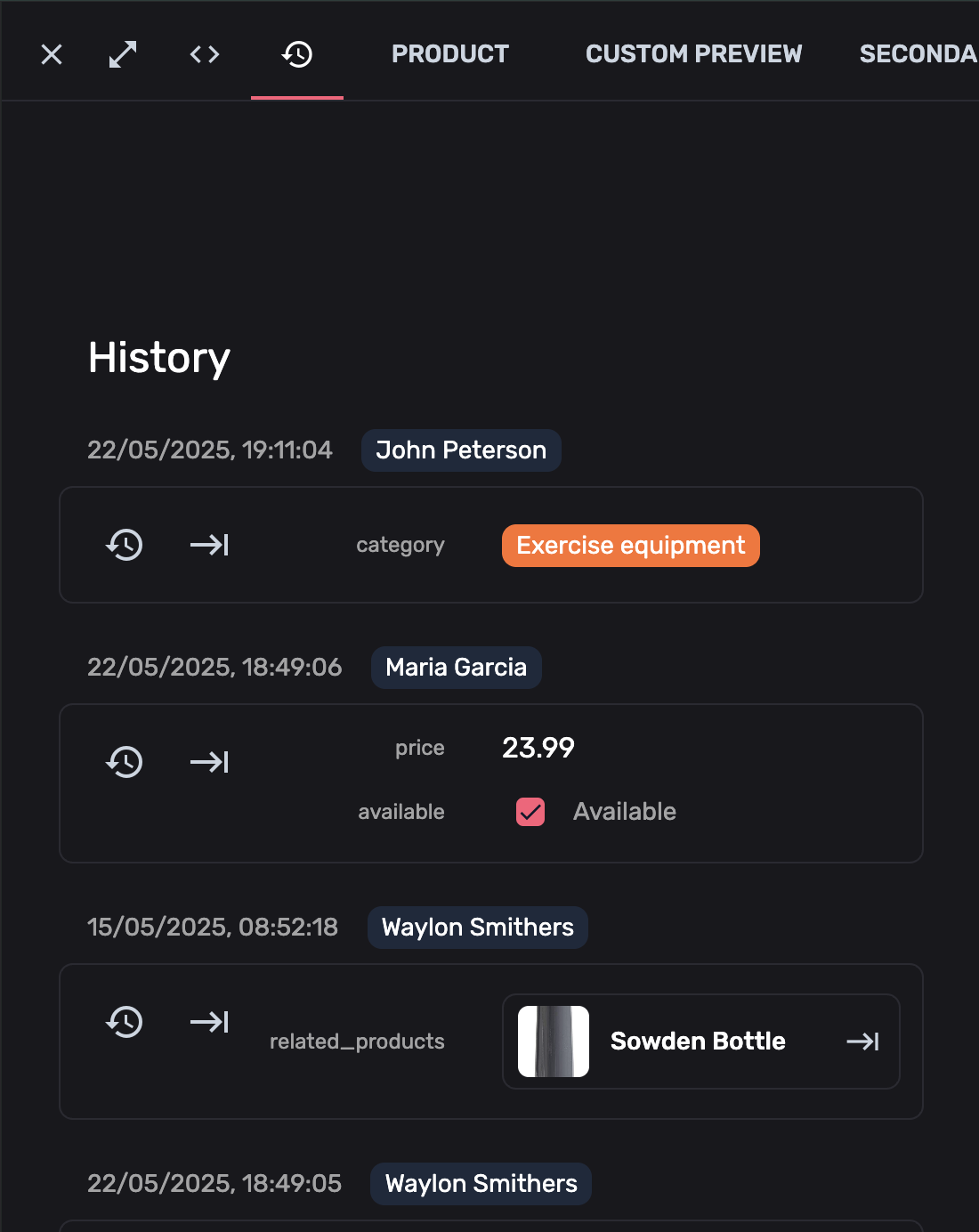
Where the generated stops, your React starts
A custom field, a custom preview, a whole custom view or an entity action — each is a React component referenced from the collection, not a fork of the panel.
Branding, theme and copy are configuration, so the same codebase can be handed to two clients that look nothing alike.
What carries between projects
Written once for one client, reused on the next without asking anyone's permission.
Reusable components
Build custom fields and views once, reuse across client projects.
White-label by configuration
Logo, palette and copy are config values, not a patched build.
Granular permissions
Per collection, per field, per role — and enforced by Postgres, not by the panel.
Deploys where the client already is
A published container and a Postgres connection string. Docker, Fly, Railway, Hetzner or their own metal.
Cloud or self-hosted
Self-host on the client's own infrastructure, or run it on Rebase Cloud — in private beta today.
React and TypeScript, all the way down
No template language, no proprietary builder. The people you already employ can read it.
Built on it
Products shipped on Rebase
Each of these runs on a Postgres database its owner controls. Built by the Rebase team.
Digital Pain Therapy
MedicalMotion
A certified digital medical device delivering AI-personalized pain therapy. Rebase runs the entire backend — patient records, therapy plans, the exercise content library, and the clinical dashboards on top of them.
medicalmotion.com ↗Retail loyalty
Unfeigned
The loyalty programme behind an apparel brand. Orders from Odoo POS and Shopify land in Postgres, a tier engine recomputes points and discounts, and the Apple and Google Wallet passes customers scan at the till are issued from the same schema.
unfeignedgear.com ↗Marketplace & Job Portal
SustenTalent
A two-sided marketplace connecting sustainability professionals with green companies. Rebase powers both sides of the market: role-based auth, typed matching APIs, and the moderation back office.
sustentalent.com ↗Vector Design Tool · Built by the Rebase team
Dadaki
Our own product: a fast, in-browser vector editor with cloud sync. Dadaki runs on a completely standard Rebase backend — the same auth, storage, and generated APIs every project gets.
dadaki.com ↗Public data · Built by the Rebase team
A dónde va el dinero de España
A public reading of Spanish government spending, from €725bn down to a single budget line. There is no database in the read path: a cron recompiles the official figures each month, storage serves them as JSON, and the page itself makes zero API calls.
presupuestos.rebase.website ↗AI sales agent · Built by the Rebase team
Prospector
An outbound agent that reads your site, plans audiences, then finds real companies and the people at them — each one verified against its own website. Crons, functions and the review board are stock Rebase. It drafts; the schema has no state in which it sends.
prospector.rebase.website ↗Internal tool · CRM and workflow automation
Edith
A CRM the team can rebuild without a deploy: pipelines, tags, tasks and an automation canvas whose triggers, branches and actions are all rows in Postgres. Twenty-three collections generated the entire back office — no admin screens were written.
internal · edith
Start the next client project here.
Scaffold against the client's own Postgres. They keep the database, you keep the code, nobody rents either.